
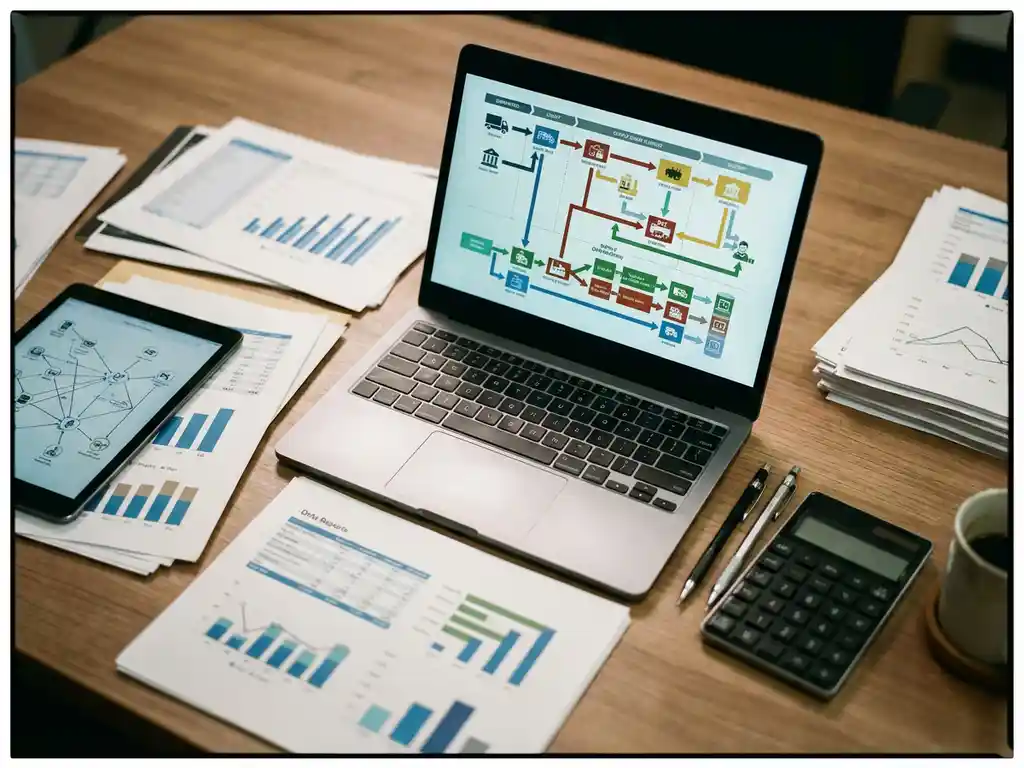
Supply chain bottleneck analysis tools range from process mapping software and data analytics platforms to advanced simulation technologies and real-time visualization systems. These tools help identify constraints that limit operational flow, enabling organizations to optimize performance through targeted interventions. Modern approaches combine traditional analytical methods with AI-powered platforms that provide actionable insights for enterprise-level supply chain optimization.
What exactly is supply chain bottleneck analysis and why does it matter?
Supply chain bottleneck analysis is the systematic identification and evaluation of constraints that limit the flow of goods, information, or resources through your supply chain network. These bottlenecks represent the weakest links in your operational chain, determining the maximum throughput capacity of your entire system, regardless of how efficiently other components perform.
Bottlenecks create cascading effects throughout your organization. When one process step operates more slowly than others, it forces upstream activities to slow down or build excess inventory, while downstream processes experience shortages or delays. This imbalance drives up operational costs through increased holding expenses, expedited shipping charges, and overtime labor, while simultaneously reducing customer satisfaction through longer lead times and stockouts.
For large enterprises managing complex networks, supply chain bottleneck analysis becomes strategically critical. Manufacturing companies often discover that a single packaging line determines their entire production capacity. Retailers frequently find that warehouse picking operations limit their ability to fulfill orders during peak seasons. Distribution centers may identify that loading dock capacity constrains their daily throughput despite having adequate storage space.
The strategic importance extends beyond immediate operational improvements. Understanding bottleneck patterns helps executives make informed decisions about capital investments, capacity planning, and resource allocation. Rather than spreading improvement efforts across multiple areas, bottleneck analysis directs attention to the specific constraints that will deliver the highest return on investment.
What are the most effective tools for identifying supply chain bottlenecks?
Process mapping software forms the foundation of bottleneck identification by visualizing workflow sequences and highlighting areas where delays accumulate. Tools like Visio, Lucidchart, and specialized supply chain mapping platforms help teams document current-state processes and identify obvious constraint points through visual analysis.
Data analytics platforms provide quantitative bottleneck detection through performance measurement and statistical analysis. Enterprise resource planning systems, warehouse management systems, and transportation management platforms generate operational data that reveals patterns indicating constraint locations. These platforms analyze throughput rates, cycle times, and utilization metrics to pinpoint underperforming process steps across industries we serve.
Simulation software offers powerful bottleneck analysis capabilities by modeling different scenarios and stress-testing system capacity. Tools like Arena, AnyLogic, and specialized supply chain simulators allow organizations to test various demand patterns, resource configurations, and process changes without disrupting live operations. These simulations reveal how bottlenecks shift under different conditions and help predict future constraint points.
Real-time monitoring and visualization technologies provide continuous bottleneck detection through live operational dashboards. Internet of Things sensors, automated data collection systems, and business intelligence platforms track performance metrics continuously, alerting managers when bottlenecks emerge or worsen. This approach enables proactive intervention before constraints significantly impact customer service.
Advanced optimization platforms combine multiple analytical approaches into integrated solutions. These systems use machine learning algorithms to detect subtle bottleneck patterns, predict future constraints, and recommend specific improvement actions. The technology component focuses on turning complexity into clarity through platforms that address challenges we solve with speed, intelligence, and scale.
How do you choose the right bottleneck analysis approach for your organization?
Selecting appropriate bottleneck analysis tools depends on your operational complexity, data availability, and improvement objectives. Organizations with straightforward, linear processes often succeed with process mapping and basic performance measurement, while companies managing complex networks with multiple interdependencies require sophisticated simulation and optimization capabilities.
Company size significantly influences tool selection. Smaller organizations typically benefit from user-friendly mapping software and standard analytics features within existing systems. Mid-sized companies often need dedicated bottleneck analysis tools that integrate with their enterprise systems. Large enterprises usually require comprehensive platforms that handle multiple facilities, complex product portfolios, and diverse operational models simultaneously.
Industry characteristics shape tool requirements considerably. Manufacturing environments need tools that analyze machine capacity, changeover times, and production sequencing constraints. Retail operations require capabilities for demand variability analysis, seasonal pattern recognition, and promotion impact assessment. Distribution networks need tools that evaluate warehouse throughput, transportation capacity, and inventory positioning bottlenecks.
Data integration capabilities represent a critical selection criterion. Comprehensive supply chain optimization requires tools that connect planning, execution, and analytics systems seamlessly. The most effective solutions integrate with existing enterprise resource planning, warehouse management, and transportation systems while providing unified visibility across all operational components through what we do.
Implementation complexity and resource requirements must align with organizational capabilities. Some tools require extensive technical expertise and lengthy deployment periods, while others offer rapid implementation with minimal IT support. Consider your team’s analytical skills, available implementation time, and ongoing maintenance capacity when evaluating options.
Cost considerations include both initial investment and ongoing operational expenses. Sophisticated simulation and optimization platforms require significant upfront costs but deliver substantial value for complex operations. Simpler tools may have lower initial costs but might require replacement as analytical needs grow. Evaluate total cost of ownership, including software licensing, implementation services, training, and ongoing support requirements.
What should you expect when implementing bottleneck analysis tools?
Implementation timelines vary significantly based on tool complexity and organizational readiness. Basic process mapping and performance measurement tools typically require 4–8 weeks for initial deployment. Comprehensive simulation platforms often need 3–6 months for full implementation. Advanced optimization systems may require 6–12 months, including data integration, model development, and user training phases.
Data preparation represents the most time-consuming implementation aspect for most organizations. Historical performance data often exists in multiple systems with different formats, definitions, and quality levels. Teams typically spend 40–60% of implementation time cleaning, standardizing, and integrating data sources before meaningful bottleneck analysis can begin.
Resource requirements include both technical and operational personnel. Implementation teams need individuals with process knowledge, data analysis skills, and system administration capabilities. Most organizations assign 2–4 full-time equivalent resources during active implementation phases, with ongoing analytical support requiring 1–2 dedicated team members.
Change management considerations become crucial for successful adoption. Teams must transition from intuition-based decision-making to data-driven bottleneck identification and resolution. This cultural shift requires training, communication, and leadership support to ensure analytical insights translate into operational improvements.
Common implementation challenges include data quality issues, system integration complexities, and user resistance to new analytical approaches. Organizations often underestimate the effort required to establish reliable data flows and develop meaningful performance metrics. Building organizational capabilities requires patience and persistence as teams learn to interpret analytical results and implement recommended changes.
Success factors include executive sponsorship, cross-functional collaboration, and commitment to continuous improvement. The most successful implementations combine technical tool deployment with process improvement methodologies and performance management systems. Real transformation occurs when projects run smoothly, people adopt new ways of working, and support continues beyond initial implementation.
How qinnip helps with supply chain bottleneck analysis
qinnip provides comprehensive supply chain bottleneck analysis through an integrated platform that combines advanced analytics, real-time monitoring, and AI-powered optimization. Our solution addresses the critical challenges organizations face when identifying and resolving supply chain constraints:
• Unified data integration – Connect all your supply chain systems (ERP, WMS, TMS) into a single analytical platform for complete visibility
• Real-time bottleneck detection – Automated monitoring identifies emerging constraints before they impact operations
• Predictive analytics – Machine learning algorithms forecast future bottlenecks based on demand patterns and capacity constraints
• Scenario simulation – Test different operational strategies and capacity investments to optimize bottleneck resolution
• Actionable recommendations – Receive specific, prioritized improvement actions with projected ROI impact
Ready to transform your supply chain performance through intelligent bottleneck analysis? Learn more about who we are and how to reach us to see how qinnip can help you identify hidden constraints and optimize your operational flow.