
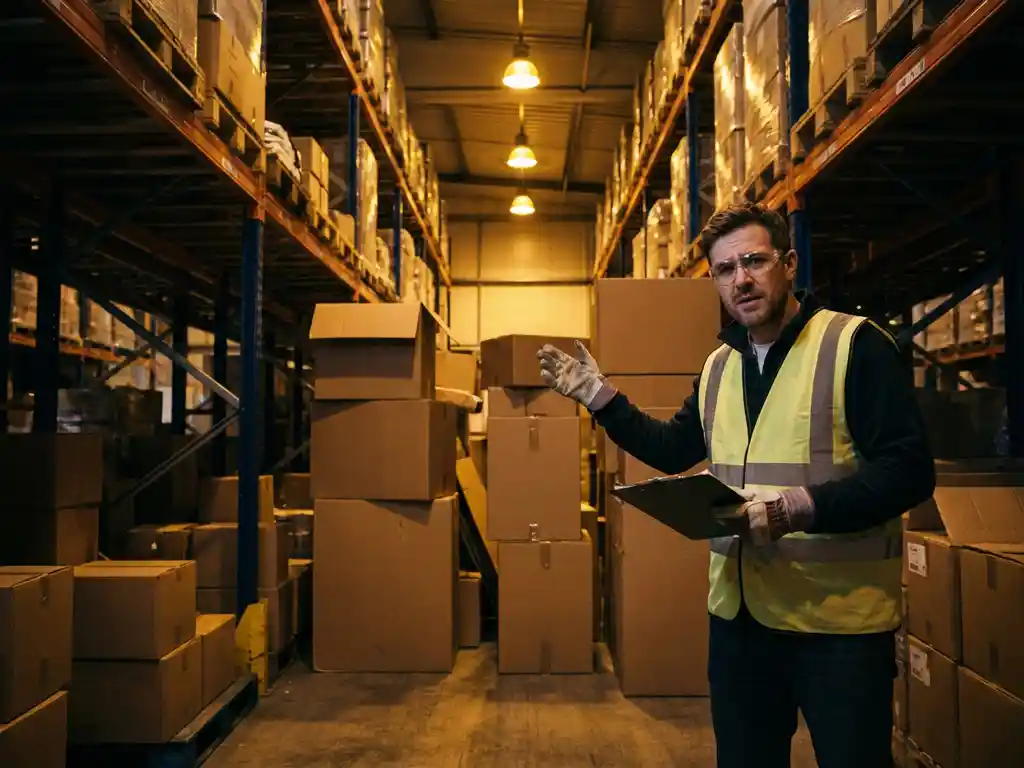
Supply chain bottleneck analysis is a systematic process that identifies constraints and inefficiencies within supply chain networks that limit overall performance and throughput. These bottlenecks create ripple effects throughout operations, causing delays, increased costs, and reduced service levels. For large enterprises managing complex, multi-tier networks, bottleneck analysis provides critical insights for strategic decision-making and operational improvements.
What is supply chain bottleneck analysis, and why is it critical for business success?
Supply chain bottleneck analysis is the systematic identification and evaluation of constraints that restrict the flow of goods, information, or resources through supply chain networks. These constraints typically occur at the point where capacity is lowest relative to demand, creating performance limitations that affect the entire system.
Bottlenecks significantly impact overall supply chain performance by creating delays that cascade through multiple network tiers. When one component operates below the required capacity, it forces other elements to slow down or wait, reducing system-wide efficiency. This constraint effect means that improving non-bottleneck areas provides minimal benefit while the primary constraint remains unaddressed.
For large enterprises facing operational complexity and cost pressures, bottleneck analysis becomes strategically essential for several reasons. Modern supply chains involve numerous interconnected processes, suppliers, and distribution channels where small inefficiencies compound into significant performance gaps. Without systematic bottleneck identification, organisations often invest resources in improving areas that do not address root constraints, resulting in minimal impact on overall performance.
The strategic importance extends beyond operational efficiency to competitive advantage. Companies that effectively identify and resolve bottlenecks can respond more quickly to market changes, reduce inventory holding costs, and improve customer service levels. This responsiveness becomes particularly valuable in volatile markets where supply chain agility determines market position.
How do you identify bottlenecks in complex supply chain networks?
Identifying bottlenecks in complex networks requires systematic analytical methods that combine data analysis, performance metrics evaluation, and process mapping. The most effective approach involves measuring throughput rates, capacity utilisation, and queue times across all network nodes to pinpoint where constraints occur.
Data analysis techniques form the foundation of bottleneck identification. Performance metrics evaluation focuses on comparing actual throughput against theoretical capacity at each network point. Key indicators include cycle times, utilisation rates, inventory levels, and service performance measures. Areas showing consistently high utilisation combined with downstream delays typically indicate bottleneck locations.
Process flow analysis maps material and information movement through the entire network, identifying where delays accumulate. This involves tracking order processing times, production schedules, transportation routes, and inventory turnover rates. Advanced analytics can reveal patterns in historical data that highlight recurring constraint points.
For multi-tier supply chains, systematic assessment approaches examine both internal operations and external supplier performance. This includes evaluating supplier capacity constraints, transportation limitations, and information system delays that create network-wide bottlenecks. End-to-end supply chain optimisation requires visibility across all tiers to identify constraints that may not be immediately apparent within individual operations.
Technology solutions enhance bottleneck identification through real-time monitoring and predictive analytics. Systems that integrate data from multiple sources can automatically flag potential constraints before they impact performance, enabling proactive management rather than reactive responses.
What are the most common types of supply chain bottlenecks businesses face?
The most common supply chain bottlenecks fall into five primary categories: capacity constraints, information flow disruptions, supplier limitations, transportation delays, and inventory management issues. Each type creates different impacts and requires specific resolution approaches.
Capacity constraints occur when demand exceeds processing capability at critical network points. Manufacturing bottlenecks typically involve production equipment, labour availability, or facility throughput limitations. Warehouse operations may face constraints in receiving, storage, or shipping capacity that limit overall network flow.
Information flow disruptions create bottlenecks when data delays prevent timely decision-making. These include gaps between systems, manual data processing requirements, or communication delays between supply chain partners. Poor demand visibility often creates planning bottlenecks that cascade through production and procurement processes.
Supplier limitations represent external constraints affecting material availability, quality, or delivery reliability. Single-source suppliers create vulnerability points, while supplier capacity constraints can limit entire production schedules. Quality issues requiring rework or replacement create additional bottlenecks downstream.
Transportation delays affect goods movement between network locations. These may involve carrier capacity limitations, route inefficiencies, or regulatory delays at borders. Logistics optimisation techniques can address some transportation bottlenecks, but infrastructure limitations may require alternative routing strategies.
Inventory management issues create bottlenecks through poor stock positioning, inadequate safety stock levels, or excess inventory that ties up working capital and storage capacity. Imbalanced inventory across network locations often creates availability constraints in some areas while excess stock accumulates elsewhere.
How does bottleneck analysis improve supply chain efficiency and reduce costs?
Systematic bottleneck identification leads to targeted improvements that deliver disproportionate performance gains by addressing root constraints rather than symptoms. When organisations focus resources on eliminating actual bottlenecks, they achieve maximum return on improvement investments while avoiding wasteful spending on non-constraint areas.
Resource optimisation occurs through better capacity allocation and investment prioritisation. Instead of spreading improvement efforts across multiple areas, bottleneck analysis directs attention to constraint points where enhancements provide system-wide benefits. This focused approach typically delivers faster results with lower investment requirements.
Cost reduction strategies emerge from understanding how bottlenecks create inefficiencies throughout the network. Eliminating constraints reduces inventory holding costs by improving flow rates, decreases expediting expenses by preventing delays, and minimises overtime costs by balancing workload distribution. These cost reductions often exceed the investment required for bottleneck resolution.
Enhanced operational performance across the supply network results from improved synchronisation between network components. When bottlenecks are resolved, upstream and downstream processes can operate more efficiently, reducing overall cycle times and improving customer service levels. This performance improvement creates competitive advantages through better market responsiveness.
How qinnip helps with supply chain bottleneck analysis
qinnip provides comprehensive solutions for identifying and resolving supply chain bottlenecks through advanced analytics and strategic consulting. Our approach combines:
• Real-time data integration across multi-tier supply networks to identify constraint points before they impact performance
• Systematic assessment methodologies that evaluate capacity utilisation, throughput rates, and performance metrics across all network nodes
• Targeted improvement programmes that focus resources on actual bottlenecks rather than symptoms, delivering maximum return on investment
• End-to-end visibility solutions that monitor supplier performance, transportation efficiency, and inventory positioning to prevent future constraints
Transform your supply chain performance with data-driven bottleneck analysis that delivers measurable results. Our team of experts understands the challenges we solve for organisations across multiple industries we serve, providing tailored solutions through what we do best. Learn more about who we are and how to reach us today to discover how our proven methodology can eliminate constraints, reduce costs, and improve operational efficiency across your entire network.