
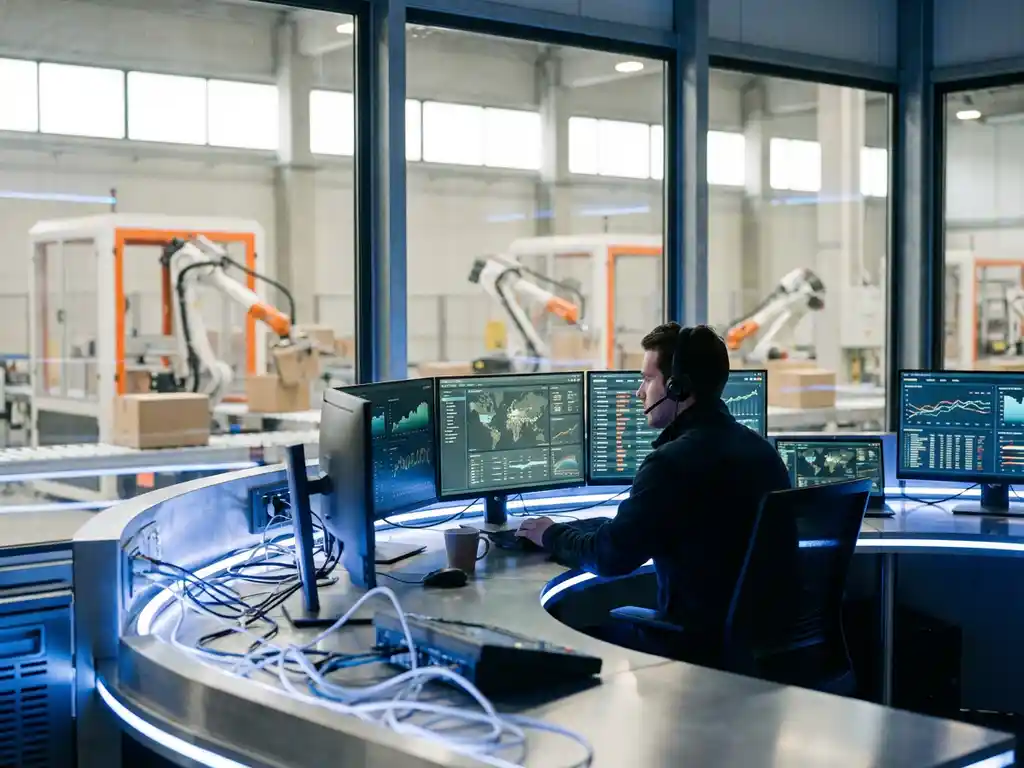
Technology improves supply chain optimization by integrating digital tools, artificial intelligence, and automation to enhance efficiency, visibility, and decision-making across entire networks. Modern supply chain optimization technology transforms complex operations into streamlined processes that respond intelligently to demand changes, predict disruptions, and eliminate bottlenecks. These solutions combine advanced analytics with real-time data to create adaptive systems that improve performance while reducing costs and operational risks.
What is supply chain optimization technology, and why does it matter now?
Supply chain optimization technology integrates digital tools, AI, and automation to enhance efficiency, visibility, and decision-making across entire supply chain networks. This technology transforms raw data into actionable insights, automates routine decisions, and creates intelligent systems that adapt to changing conditions without manual intervention.
The critical importance of this technology stems from today’s volatile business environment, where traditional supply chain approaches struggle with increasing complexity. Customer expectations for faster delivery, greater product variety, and transparent tracking have intensified pressure on operations. Simultaneously, global disruptions from geopolitical tensions, natural disasters, and market volatility require supply chains that can respond rapidly to unexpected changes.
Modern end-to-end supply chain optimization addresses these challenges by creating unified systems that connect planning, execution, and analytics. Rather than managing isolated processes, organizations can now orchestrate entire networks through integrated platforms that provide real-time visibility and automated responses to disruptions. This comprehensive approach enables companies to maintain service levels while reducing inventory costs, minimizing waste, and improving operational efficiency across all touchpoints.
How does artificial intelligence actually improve supply chain performance?
Artificial intelligence improves supply chain performance through demand forecasting, predictive maintenance, intelligent routing, and automated decision-making. Machine learning algorithms analyze historical patterns, external factors, and real-time data to predict future needs with greater accuracy than traditional methods, enabling organizations to optimize inventory levels and reduce stockouts.
AI-powered demand forecasting considers multiple variables, including seasonal trends, promotional impacts, market conditions, and customer behavior patterns. These systems continuously learn from new data, refining predictions and adapting to changing market dynamics. The result is more precise planning that reduces excess inventory while maintaining service levels.
Predictive maintenance applications use AI to monitor equipment performance and predict failures before they occur. By analyzing sensor data, vibration patterns, and operational metrics, these systems identify maintenance needs that prevent unexpected downtime. This proactive approach reduces disruption costs and extends equipment lifespan.
Intelligent routing algorithms optimize transportation decisions by considering traffic patterns, delivery windows, vehicle capacity, and fuel costs simultaneously. These systems adapt routes in real time based on changing conditions, reducing delivery times and transportation expenses. Logistics optimization techniques powered by AI can decrease empty miles, improve driver productivity, and enhance customer satisfaction through more reliable delivery schedules.
What’s the difference between supply chain visibility and supply chain optimization technology?
Supply chain visibility provides real-time tracking and data transparency across operations, while optimization technology actively improves processes and automates decision-making. Visibility tools show what’s happening throughout the network, whereas optimization platforms analyze this information to recommend or implement improvements automatically.
Visibility solutions focus on data collection and presentation, offering dashboards that track shipments, monitor inventory levels, and report performance metrics. These tools answer questions about current status and historical performance, providing transparency that helps managers understand operational conditions. However, visibility alone doesn’t improve performance; it simply illuminates existing processes.
Optimization technology builds on visibility by using collected data to drive improvements. These systems analyze patterns, identify inefficiencies, and recommend actions that enhance performance. Advanced optimization platforms can automatically adjust parameters, rebalance inventory, or modify routing decisions based on changing conditions.
The distinction matters because many organizations invest in visibility tools expecting optimization benefits. While transparency is valuable for monitoring and compliance, actual performance improvements require systems that can process information and generate actionable recommendations. Effective supply chain bottleneck analysis exemplifies this difference: visibility shows where delays occur, while optimization technology identifies root causes and suggests solutions to eliminate constraints.
Which supply chain technologies should CFOs prioritize for maximum ROI?
CFOs should prioritize demand planning systems, inventory optimization tools, and predictive analytics platforms that deliver measurable financial impact within 12–18 months. These technologies typically generate returns through reduced inventory carrying costs, improved service levels, and decreased operational expenses while providing clear metrics for performance measurement.
Demand planning systems offer strong ROI by improving forecast accuracy, which directly impacts inventory investment and customer service. Better predictions reduce safety stock requirements while maintaining availability, freeing working capital for other investments. These systems typically pay for themselves through inventory reduction within the first year of implementation.
Inventory optimization platforms analyze multiple variables to determine optimal stock levels across locations and products. By balancing carrying costs against service requirements, these tools reduce total inventory investment while improving availability. The financial impact includes lower storage costs, reduced obsolescence, and improved cash flow.
Predictive analytics platforms provide ROI through risk mitigation and proactive decision-making. These systems identify potential disruptions before they affect operations, enabling preventive actions that avoid costly emergency responses. The financial benefits include reduced expediting costs, minimized stockouts, and improved operational efficiency.
When evaluating technology investments, CFOs should consider implementation timelines, integration requirements, and ongoing maintenance costs alongside expected benefits. Solutions that integrate with existing systems typically deliver faster returns than platforms requiring extensive infrastructure changes.
How do you successfully implement supply chain optimization technology without disrupting operations?
Successful implementation requires phased rollouts, comprehensive change management, and parallel system operation during transition periods. Organizations should start with pilot programs in controlled environments before expanding to full operations, ensuring each phase delivers value while building confidence for broader deployment.
Phased implementation begins with non-critical processes or specific product categories, allowing teams to learn system capabilities without risking core operations. This approach identifies potential issues early while demonstrating benefits that build organizational support. Each phase should include clear success criteria and performance metrics that guide expansion decisions.
Change management focuses on training, communication, and user adoption rather than just technical deployment. Staff need time to understand new processes and develop confidence in optimization recommendations. Effective programs include hands-on training, regular feedback sessions, and support resources that help teams transition from manual to automated decision-making.
System integration requires careful planning to maintain data accuracy and process continuity during transitions. We recommend running parallel systems initially, comparing outputs and validating results before fully switching to new platforms. This approach ensures data integrity while providing fallback options if issues arise.
Risk mitigation includes maintaining existing processes as backup systems during early implementation phases. Organizations should establish clear escalation procedures for handling system issues and ensure staff understand when to override automated recommendations. This balanced approach enables technology adoption while preserving operational stability throughout the transformation process.
How qinnip helps with supply chain optimization
qinnip provides comprehensive supply chain optimization through intelligent automation, advanced analytics, and integrated planning capabilities that transform your operations. Our platform delivers concrete results by combining AI-powered forecasting, real-time optimization, and seamless system integration:
- Reduce inventory costs by 15-25% while improving service levels through predictive demand planning
- Eliminate operational bottlenecks with automated workflow optimization and intelligent routing
- Gain complete supply chain visibility through real-time dashboards and predictive analytics
- Accelerate implementation with pre-built integrations and phased deployment strategies
- Minimize disruption through parallel system operation and comprehensive change management support
Ready to transform your supply chain performance? Industries We Serve showcases how our optimization technology addresses specific sector challenges, while our comprehensive approach to challenges we solve demonstrates measurable results across diverse operational environments. Learn more about what we do to optimize supply chains, discover who we are as your trusted technology partner, and how to reach us today to schedule a personalized demonstration and discover how our optimization technology can deliver measurable results for your organization within the first quarter of implementation.