
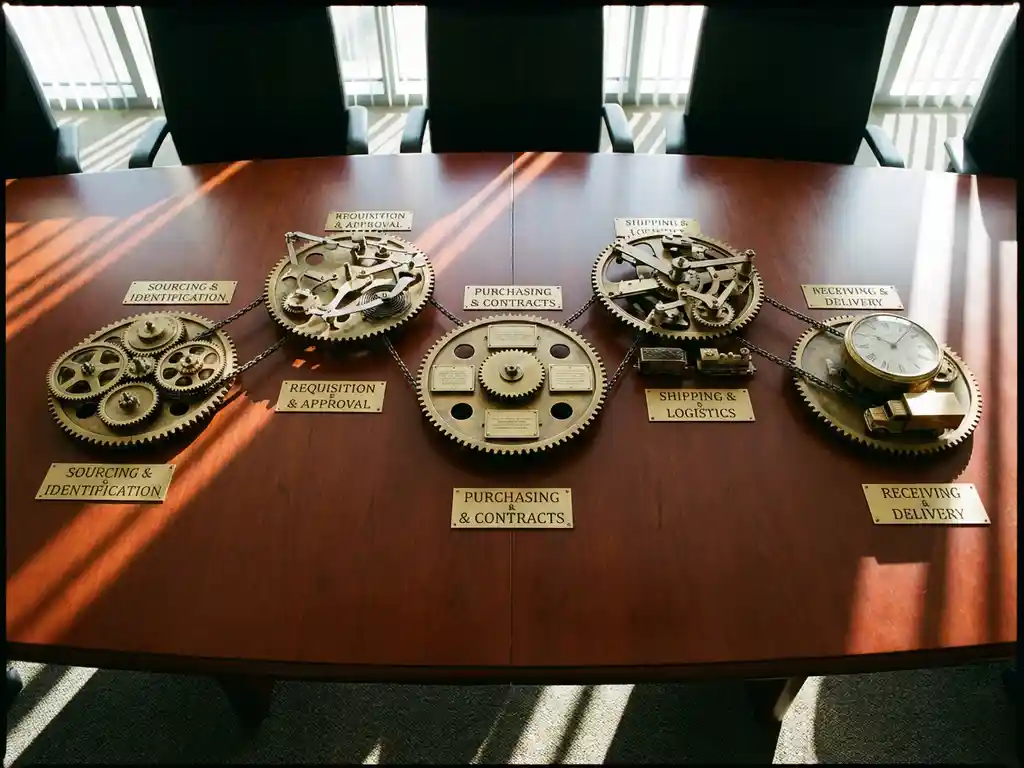
Procurement process optimization transforms how organizations source, purchase, and manage supplier relationships to reduce costs, improve efficiency, and strengthen supply chain performance. As supply chains become increasingly complex and volatile, optimizing procurement processes has evolved from a cost-saving initiative into a strategic imperative that directly affects competitive advantage and operational resilience.
Modern procurement optimization goes beyond traditional cost reduction to encompass supplier risk management, sustainability goals, and technology integration. Organizations that successfully implement procurement process optimization typically see improvements in cycle times, cost savings, supplier performance, and overall supply chain agility.
What is procurement process optimization and why does it matter?
Procurement process optimization is the systematic improvement of sourcing, purchasing, and supplier management activities to maximize value, reduce costs, and enhance operational efficiency. It involves analyzing current procurement workflows, identifying bottlenecks and inefficiencies, and implementing strategic changes that align procurement activities with broader business objectives.
This optimization matters because procurement typically accounts for 60–70% of an organization’s total spend, making it one of the largest opportunities for cost reduction and performance improvement. Beyond cost savings, optimized procurement processes provide better supplier visibility, reduced risk exposure, and improved compliance with regulatory requirements. Organizations with mature procurement optimization often experience faster decision-making, stronger supplier relationships, and greater agility in responding to market changes.
The strategic importance of procurement optimization has increased significantly as supply chains face greater volatility from geopolitical tensions, environmental concerns, and technological disruption. Companies that treat procurement as a strategic function rather than a transactional activity gain competitive advantages through supplier innovation, risk mitigation, and cost management.
How do you assess your current procurement processes for optimization opportunities?
Assessing current procurement processes begins with comprehensive data analysis covering spend patterns, supplier performance metrics, cycle times, and cost structures across all procurement categories. This assessment should examine both quantitative metrics, such as purchase order processing time, and qualitative factors, such as supplier relationship quality and process standardization.
A thorough assessment typically includes spend analysis to identify consolidation opportunities, process mapping to reveal workflow inefficiencies, and supplier performance evaluation to highlight relationship gaps. Organizations should analyze their procurement technology stack to identify system integration issues and manual workarounds that create delays or errors. Risk assessment is also crucial, examining supplier concentration, geographic dependencies, and financial stability across the supplier base.
Key performance indicators to evaluate include procurement cycle time, cost savings achieved, supplier defect rates, contract compliance levels, and emergency purchase frequency. Many organizations discover significant optimization opportunities in areas such as maverick spending, duplicate supplier relationships, and inconsistent approval processes. The assessment should also evaluate procurement team capabilities and identify skill gaps that could limit optimization success.
What are the key steps to implement procurement process optimization?
Implementing procurement process optimization follows a structured approach that starts with strategy development, followed by process redesign, technology implementation, and change management. The first step involves defining clear optimization objectives aligned with business goals, whether focused on cost reduction, risk mitigation, sustainability improvement, or supplier innovation.
The implementation process typically includes these critical phases:
- Process standardization and workflow redesign to eliminate redundancies and bottlenecks
- Supplier base rationalization and strategic sourcing implementation
- Technology platform selection and integration to automate manual processes
- Establishing a performance measurement system with clear metrics and dashboards
- Team training and change management to ensure adoption of new processes
Successful implementation requires strong project governance and phased rollouts that allow for testing and refinement. Organizations should prioritize high-impact, low-complexity improvements early to build momentum and demonstrate value. Continuous monitoring and adjustment ensure that optimization efforts deliver sustained results and adapt to changing business requirements.
Which procurement technologies deliver the best optimization results?
Procurement technologies that deliver the strongest optimization results include integrated procurement platforms, spend analytics tools, supplier relationship management systems, and automated workflow solutions. These technologies work best when integrated into a unified ecosystem that provides end-to-end visibility and control over procurement activities.
Advanced analytics and artificial intelligence capabilities have become essential for modern procurement optimization, enabling predictive insights for demand forecasting, supplier risk assessment, and price optimization. E-procurement platforms streamline purchasing workflows and provide real-time spend visibility, while supplier portals improve collaboration and performance monitoring. Contract management systems ensure compliance and optimize terms across supplier relationships.
The most effective technology implementations combine multiple tools into cohesive solutions that address specific organizational needs. Integration capabilities are crucial, as procurement systems must communicate seamlessly with ERP, financial, and supply chain planning platforms. Organizations achieving the best results focus on technologies that enhance decision-making speed and accuracy rather than simply automating existing processes.
We help organizations evaluate and implement procurement technologies that align with their specific optimization goals and existing technology landscapes. Our approach ensures that technology investments deliver measurable improvements in procurement performance while supporting long-term scalability and flexibility.
How do you measure success in procurement process optimization?
Success in procurement process optimization is measured through a combination of financial metrics, operational efficiency indicators, and strategic performance measures that demonstrate tangible business impact. Key financial metrics include cost savings achieved, cost avoidance realized, and procurement cost as a percentage of total spend, while operational metrics focus on cycle time reduction, process accuracy, and supplier performance improvements.
Essential measurement categories include:
- Financial performance: Cost savings, spend under management, and budget variance
- Operational efficiency: Procurement cycle time, purchase order accuracy, and contract compliance rates
- Supplier performance: On-time delivery, quality metrics, and relationship satisfaction scores
- Risk management: Supplier risk scores, supply disruption incidents, and compliance levels
- Strategic value: Innovation contributions, sustainability improvements, and market responsiveness
Successful measurement requires establishing baseline performance levels before optimization begins and tracking improvements over time. Regular reporting and dashboard monitoring enable continuous adjustment and ensure optimization efforts remain aligned with business objectives. Organizations should also measure user adoption rates and satisfaction levels to ensure that process improvements are sustainable and well received by procurement teams.
Long-term success measurement extends beyond immediate cost savings to include strategic benefits such as improved supplier innovation, enhanced risk resilience, and greater procurement agility. The most mature organizations integrate procurement performance metrics into broader supply chain optimization strategies that support overall business competitiveness and growth.